
Bulgaria gambling advertising ban clears Council of Ministers and goes to Parliament
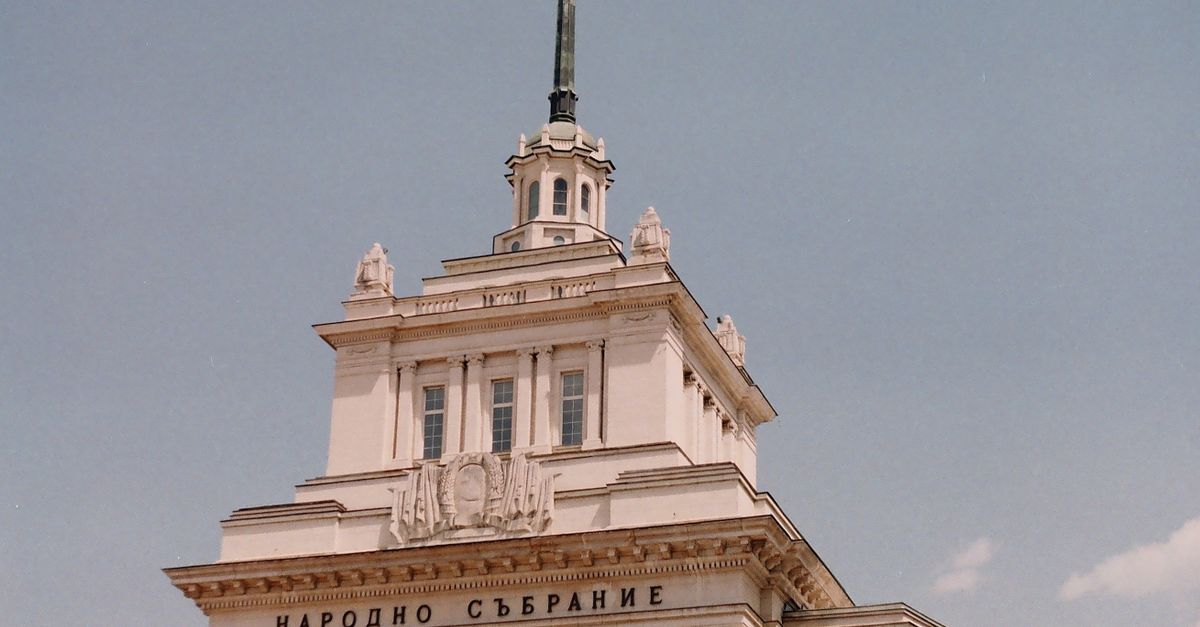
Bulgaria's Council of Ministers approved draft amendments on November 11 that would impose a full ban on gambling advertising in Bulgaria and raise taxes and fees across the sector. The package now goes to the National Assembly, where it needs to pass two readings before it becomes law.
The government says the restrictions already in place have not gone far enough to reduce exposure to gambling advertising. The new measures are meant to curb gambling-related harm, with children and other vulnerable groups named as the main concern, according to GamblingNews. SBC News reports the same approval and describes the bill as Prime Minister Rumen Radev's draft reform.
What the advertising ban covers
The ban would apply to advertisements for gambling products, for licensed operators and for their associated brands. Television, radio, print publications, online platforms and outdoor advertising all fall inside it, GamblingNews reports.
Sponsorship survives in a narrow form. Companies could still brand a limited number of arrangements with sports clubs, federations, associations and organisations, and could take part in cultural, health and educational funding. The government wants to restrict how those sponsorships appear in television broadcasts and online coverage of the sponsored events. SBC names narrower exceptions, including land-based venues and operator websites, which GamblingNews does not mention.
Affiliates lose their route to market. The amendments would end the activity of affiliate operators promoting gambling products, a measure GamblingNews says is designed to close third-party marketing channels. SBC News calls the affiliate ban a complete reversal of the cabinet's August decision to introduce a licensing route for affiliates.
Higher taxes from 2027
Money is the other half of the package. Land-based casinos and gaming halls would be taxed more from 2027, and those charges would be replaced in 2028 by a two-part state fee: a fixed payment plus a variable part tied to betting turnover and payouts, per GamblingNews. Online operators would pay a variable monthly state fee of at least EUR 100,000.
The outlets report different licence scales, which appear to cover different licence holders. GamblingNews gives new fees for companies that manufacture, import, distribute or service gaming equipment: EUR 50,000 for a five-year licence and EUR 100,000 for ten years. SBC reports operator licences instead. A five-year land-based licence would cost EUR 75,000 in settlements of up to 500,000 residents and EUR 150,000 above that, a threshold only Sofia currently meets; those figures double for ten years. A five-year online betting licence would cost EUR 400,000 and an online casino licence EUR 300,000, also doubled for a decade.
SBC places the tax changes alongside the 2027 budget, Bulgaria's second since adopting the euro at the start of 2026, and gives the conversion rate for old leva figures as BGN 1 = EUR 0.51. It reports the tax on individual gaming machines rising from BGN 800 to EUR 600, and on gaming tables from BGN 22,000 to EUR 13,000.
Both outlets report rises in licensing fees. GamblingNews also reports higher social responsibility contributions and larger penalties for regulatory breaches, and says the responsible gambling contributions would grow and be split equally between the ministries of sport, health and education.
Supervision, payment firms and schools
Operators' gaming systems would be linked electronically to the National Revenue Agency, giving the authority data on bets, payouts and gaming revenue. Foreign companies offering online gambling in Bulgaria would need a permanent business presence in the country, which the government says would improve tax reporting and let authorities compare declared revenue with betting activity.
Banks, payment institutions and e-money providers handling gambling transactions would have to make financial contributions. SBC describes that clause as a novel approach in European gambling legislation.
The package also carries prevention measures: information campaigns, prevention programmes and teaching materials for schools.
The road through Parliament
The bill revives a plan Parliament rejected in July 2026, when an earlier proposal for a blanket advertising ban and higher taxes failed over concerns about the effect on licensed operators and the risk of pushing players to unregulated sites. Radev said in September that the government would renew its push for stricter rules.
The draft texts went out for public consultation in October. Following the Council of Ministers' approval, the bill goes to the relevant special commissions and then to the National Assembly for a first and second reading, according to SBC. Only after that does it become law, with the tax measures scheduled to take effect in 2027 and the two-part state fee in 2028.
chat Comments
Sign in to leave a comment
Sign in with GoogleNo comments yet — be the first to share your thoughts!