
Kalshi Sixth Circuit ruling: sports contracts are not swaps, Ohio and Tennessee can enforce
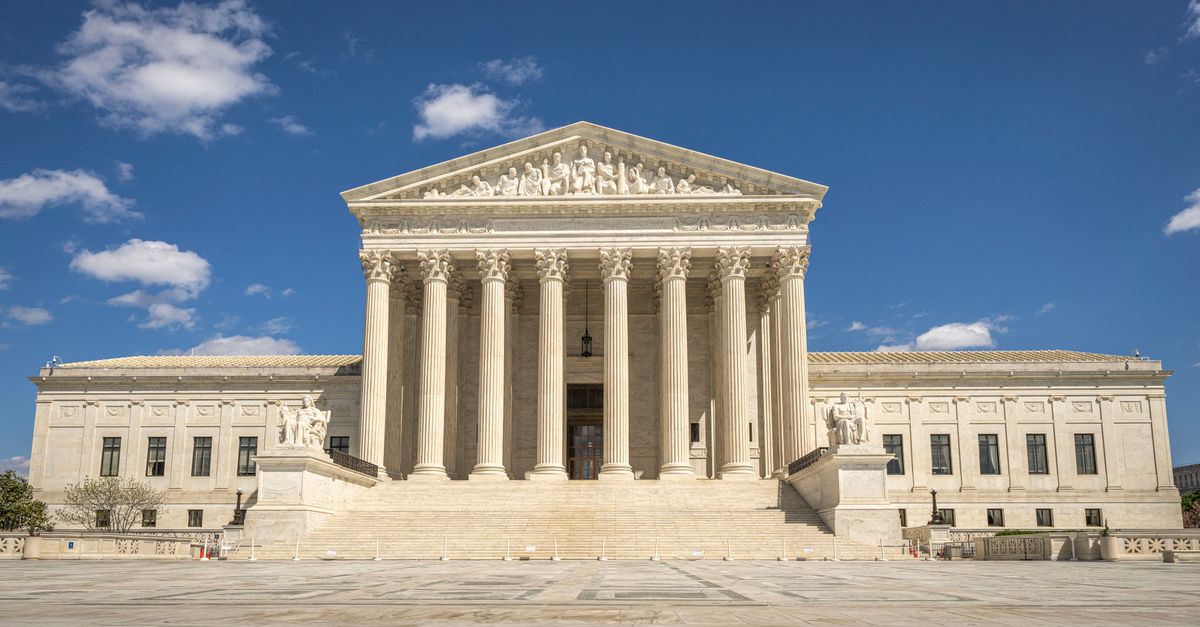
The Sixth Circuit ruled Friday that Kalshi's sports event contracts are not swaps, rejecting the company's argument that federal commodities law gives the CFTC exclusive jurisdiction over them and blocks Ohio and Tennessee from enforcing their sports betting laws. The unanimous panel affirmed a Southern District of Ohio order denying Kalshi a preliminary injunction and vacated a Middle District of Tennessee order that had blocked enforcement in that state, SBC Americas reported.
What the court said about swaps
Kalshi argues its sports event contracts are swaps traded on a CFTC-regulated designated contract market, which under the Commodity Exchange Act would preempt state gambling law. Judge Julia Smith Gibbons, writing for the panel, found Kalshi had not shown the contracts meet the CEA's definition of a swap. A qualifying event must be "associated with a potential financial, economic, or commercial consequence," and the panel held that link must be intrinsic.
Indirect or downstream effects on leagues, broadcasters, advertisers, sponsors, teams or local businesses do not qualify. "Kalshi's sports event contracts have only downstream economic consequences, assuming they have the potential to cause economic consequences at all," Gibbons wrote. "Thus, they are not 'associated' with potential financial, economic, or commercial consequences."
The court distinguished contracts tied to interest rates, currency values or debt defaults, where financial risk and a hedging purpose are more direct. Corner kicks, broadcaster mentions, player statistics and same-game parlays were among the outcomes it said carry no financial or commercial consequence. The panel also warned that Kalshi's reading would reach beyond its own exchange: if sports bets were swaps, ordinary bets at a casino or sportsbook could count as off-exchange swaps, which the CEA generally prohibits.
Ohio and Tennessee can enforce their rules
Both states moved against Kalshi before the appeal. The Ohio Casino Control Commission sent a cease-and-desist letter alleging unlicensed sports gaming, including offers to people under 21, and pursued a separate $5m fine. Kalshi sued and sought an injunction against enforcement; the Southern District of Ohio denied it.
Tennessee's Sports Wagering Council sent its own cease-and-desist letter in early 2026. A federal district court initially granted Kalshi relief after finding the sports contracts were swaps and that the CEA preempted state regulation. Friday's decision vacated that order.
A circuit split heads toward the Supreme Court
The Sixth Circuit's ruling is the second appellate decision in favor of state regulators. The Ninth Circuit sided with Nevada in August. The Third Circuit went the other way in April, holding that Kalshi was likely to succeed in arguing its contracts are swaps and that New Jersey's gambling laws are preempted.
New Jersey has petitioned the Supreme Court to review that decision, and Crypto.com and Robinhood have separately urged the justices to take up the federal-state question. An appeal is still active in the Fourth Circuit. SBC Americas reported that the Sixth Circuit decision gives those petitions a more developed appellate conflict, since two circuits now support state enforcement while one has sided with the federal regulation theory.
New York sues Polymarket, and Polymarket sues back
New York opened a second front on Sept. 24, when Attorney General Letitia James filed suit against QCX, Polymarket's U.S. business, in the Supreme Court of the State of New York. Gov. Kathy Hochul announced the filing. The complaint accuses the New York City-headquartered company of running an illegal gambling operation and offering a sports betting equivalent in the state since December 2025, including to users under 21.
"By running an unlicensed gambling operation, Polymarket has done more than just knowingly violate state law, they have put New Yorkers at risk, especially those underage who are most vulnerable to problem gaming," Hochul said in her statement, as reported by SBC Americas. That report lists what the state is asking for: a permanent stop to operating or marketing in New York, itemized customer transaction records, full restitution, damages, disgorgement, a fine of three times the company's financial gain and $100,000 for every offering or attempted offering of sports wagering in the state.
Polymarket sued James and other state officials in Manhattan federal court that evening, calling New York's action "an extraordinary assertion of state power squarely foreclosed by federal law," GamblingNews reported. Chief Legal Officer Neal Kumar called the state's case a "media hit," SBC Americas reported, and said the company had tried to address officials' concerns directly before the filing. Gambling Insider reported that Polymarket also moved the state case to the Southern District of New York, arguing federal jurisdiction because New York alleged a Wire Act violation and because the dispute raises CEA questions.
The complaint comes two months after New York sued Kalshi in state court, a case that SBC Americas says seeks a total of $36bn. In July, U.S. District Judge Analisa Torres denied Kalshi's request for a preliminary injunction, finding the company had not shown New York's gambling laws are preempted as applied to its sports event contracts. Kalshi has appealed that ruling.
This article was written with the help of AI from the sources it cites and checked automatically before publication.
chat Comments
Sign in to leave a comment
Sign in with GoogleNo comments yet — be the first to share your thoughts!