
Brazil betting ban: Central Bank blocks betting transactions
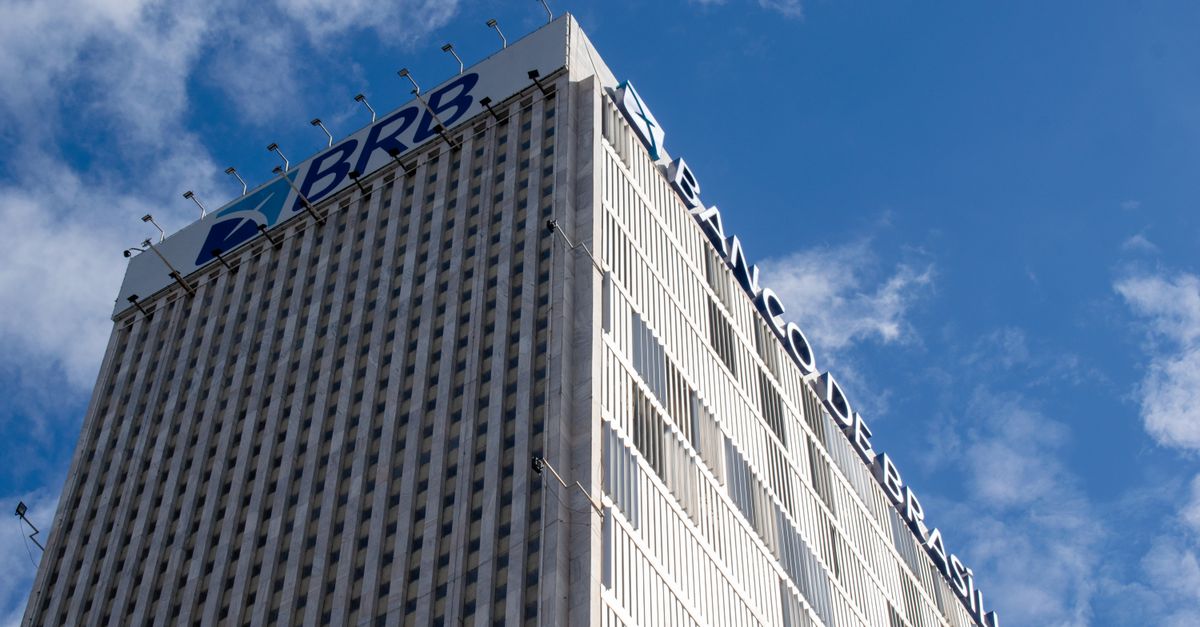
Brazil's Central Bank has ordered payment institutions to block transactions linked to fixed-odds betting, implementing Provisional Measure 1,394 published on September 25. The rules, reported by Casino News Daily, require banks and payment firms to stop processing flows to betting operators while keeping one route open: money going back to customers.
What the Central Bank blocked
Bank slips, or boletos, directed at betting companies can no longer be processed or settled. The restrictions reach Pix as well: transfers to betting websites blocked in Brazil are prohibited. A single exception survives, for transactions needed only to reimburse customers.
The provisional measure requires betting websites and apps to become unavailable 10 days after publication. Open bets must be cancelled, with stakes returned without deductions. The new framework replaces the regulated system that had operated nationally since January 2025, under which bettors funded accounts in their own names and operators had to return money received from unregistered accounts. Credit-funded betting was already banned.
Bruno Medeiros Durão, a banking law specialist and founder of DAP Advocacia, said the change could help authorities follow money connected to betting operations. "When public authorities begin tracking financial flows, oversight shifts from merely looking at the betting site's web address to investigating how money enters, circulates through, and leaves the operation," he said. He added that the approach could expose accounts and intermediaries operators use to bypass restrictions.
A separate electronic system required by the measure, meant to let financial institutions reject and return transfers tied to illegal fixed-odds betting through real-time payments, has not yet been established by a Central Bank resolution.
Enforcement also runs through domain blocking. By September 29, the Ministries of Justice and Finance had requested the removal of 5,209 domains associated with betting, and Anatel had ordered 2,387 of them blocked. The money involved was substantial before the ban: a Central Bank study published in September 2024 estimated betting and gambling companies received between R$18 billion and R$21 billion a month through Pix during 2024, including R$20.8 billion in August 2024 alone, from roughly 24 million people.
Broadcasters ask the Supreme Court to suspend the ban
The Brazilian association of radio and television broadcasters has petitioned the Supreme Court for an immediate suspension of the decree banning online betting nationwide. The request went to justice Luís Fux.
The association says the prohibition on betting and on advertising for it has caused heavy revenue losses and the termination of contracts. It argues broadcasters cannot air new commercials, renew agreements or honour commitments already signed with operators. It wants the decree declared unconstitutional and its effects suspended while the court decides the wider challenges before it. Broadcasters also question the urgency President Luiz Inácio Lula da Silva invoked to justify the measure. Brazilian football clubs, hit by the loss of sponsorship contracts with operators, have added their own criticism.
42 amendments, four withdrawn
Congress has 42 proposed amendments to the ban, four of them since withdrawn, according to the legislature's website as cited by Gambling Insider. Some would narrow the prohibition to specific online casino products such as slots. Others would preserve the regulated market for licensed operators and focus enforcement on unauthorized sites. A further group deals with the fallout: refunds for unused portions of operator licence periods, advertising and sponsorship rules, sanctions and enforcement procedures, and how fines are allocated. Lawmakers can keep filing amendments through October 13, and Congress must approve the measure for it to become permanent.
Ohio enforces while Illinois restrains
The same week brought two opposite answers in the United States. A federal judge in Illinois found that Kalshi's sports event contracts are likely "swaps" under the Commodity Exchange Act, and that parts of Illinois gambling law are therefore likely preempted by federal law. Judge Martha Pacold granted the plaintiffs' preliminary injunction requests in part. She rejected the narrower reading of "occurrence" used in other litigation, writing that if "occurrence" and "nonoccurrence" address whether an event happens, "the extent of the occurrence" can reach "how an event resolves." The ruling conflicts with the Sixth Circuit's September 25 decision siding with Ohio and Tennessee, and splits district courts inside the Seventh Circuit, where a Wisconsin judge sided with state regulators against the CFTC.
Ohio acted on October 2. The Ohio Casino Control Commission issued cease-and-desist notices to Underdog, Gemini, Coinbase, ProphetX, Novig, Polymarket, Plus500, Moomoo and Webull, and reasserted an earlier notice against Robinhood, giving recipients 14 days to confirm compliance. Governor Mike DeWine told GamblingNews that the contracts are "really gambling, nothing more than that," and that operators "don't want to play by the same rules everybody else does." Regulators point out that these contracts are available at 18, compared with 21 for licensed sports betting. Kalshi has argued it offers federally regulated products and has fought similar state actions.
What comes next sits in three places. Ohio's recipients have 14 days to confirm compliance, lawmakers in Brasília can file amendments until October 13, and the Central Bank's separate Pix rejection system has not yet been created.
chat Comments
Sign in to leave a comment
Sign in with GoogleNo comments yet — be the first to share your thoughts!